Effects & Health
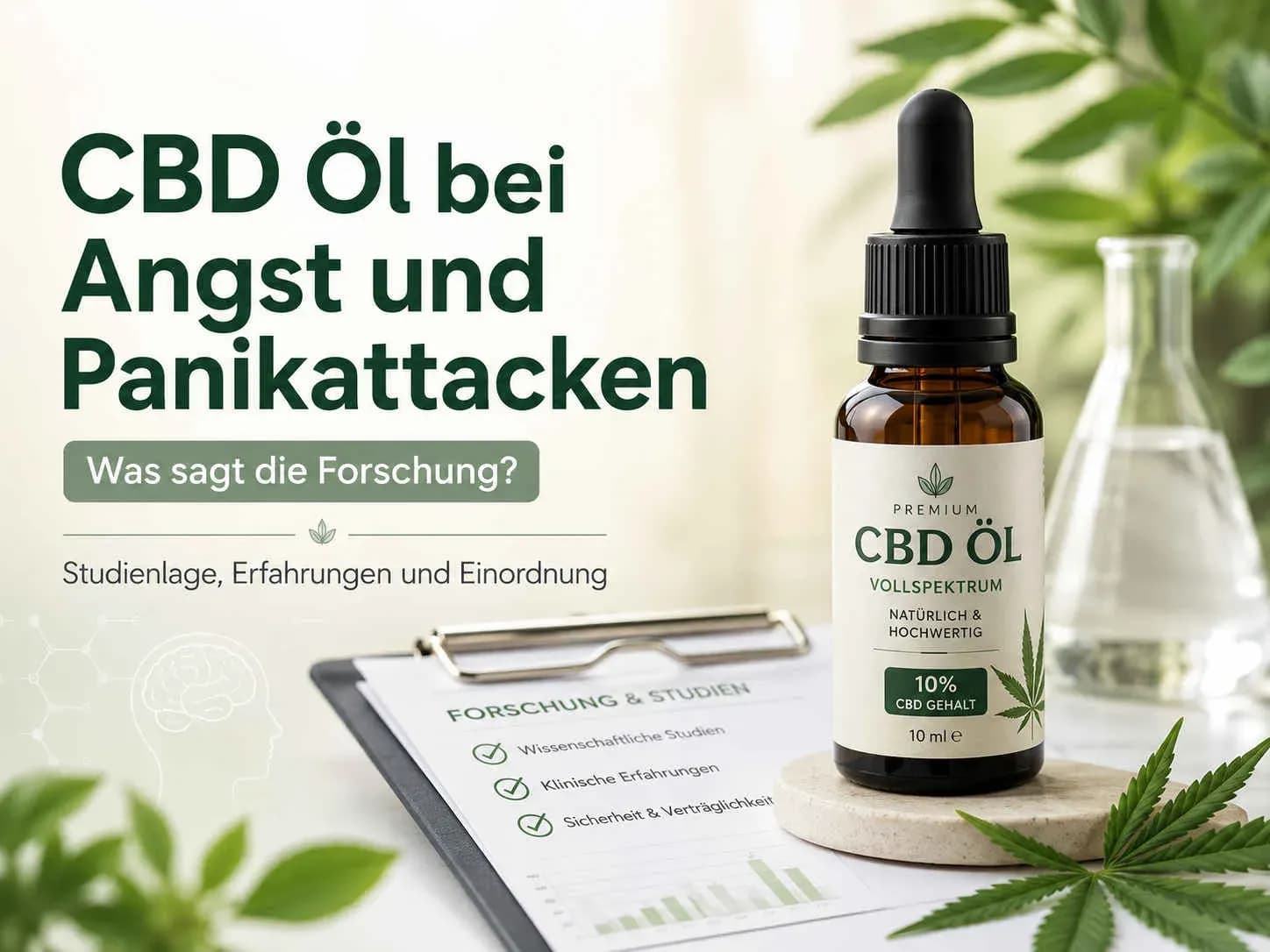
CBD oil for anxiety and panic attacks: what research says
By Vapor Spirit Fachteam
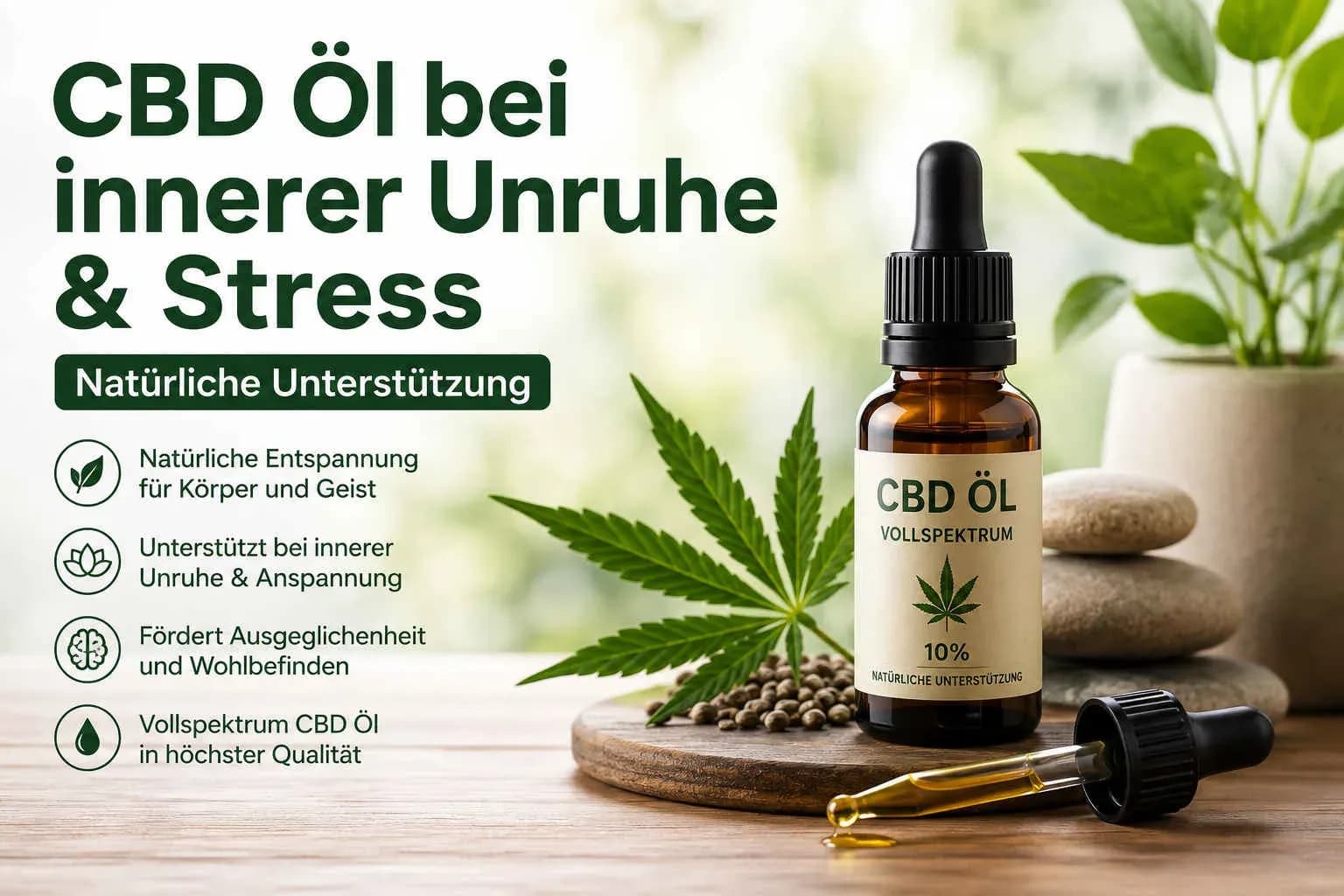
CBD oil (cannabidiol) is being investigated in various scientific contexts in connection with anxiety, panic attacks, inner restlessness and emotional strain. Many people with anxiety and social anxiety are interested in the topic of CBD oil for anxiety and look for experience reports when searching for ways to support their general well-being.
It is important to understand:
Cannabidiol is not a medicinal product and does not replace medical treatment by a physician. Individual perception – for example with anxiety and panic attacks – can vary.
CBD oil for anxiety and panic attacks: what does the research say?
In scientific studies, cannabidiol is being investigated in connection with generalised anxiety disorders, social phobias and other forms of anxiety, for example with:
- Stress load
- social anxiety and social tension
- situational nervousness and panic attacks
Studies are investigating whether CBD could have anxiety-relieving effects by influencing certain neurobiological processes that play a role in stress reactions as well as in anxiety and panic attacks.
At the same time, further research is needed to clearly assess long-term effects and optimal
forms of use.
CBD and anxiety: what is known?
Many people wonder whether CBD can help with anxiety. An honest assessment: there is no reliable evidence. Individual small studies are investigating whether CBD influences the level of tension; the results are preliminary. A frequently cited case series by Shannon and colleagues from 2019 (The Permanente Journal) described observations on anxiety and sleep – however, as a case series without a control group, it is not proof of an effect.
The distinction remains important: anxiety can be harmless everyday tension, but it can also be an expression of an anxiety disorder that requires treatment. CBD is not a medicine and does not replace therapy. In the case of persistent or severe anxiety, the first step is a medical or psychotherapeutic assessment – this is where the cause and appropriate treatment are determined. You can read about what to look for in terms of quality and purchase in the following sections.
Important:
CBD oil is not approved for the treatment of anxiety disorders, generalised anxiety disorder or panic attacks and does not replace consultation with a physician.
Which CBD oil for anxiety and panic?
What matters when it comes to quality
Not every CBD oil is the same, and the question of which CBD for anxiety or which CBD oil for anxiety and panic is suitable cannot be answered in general terms. Decisive criteria are:
- independent lab analyses
- transparent THC declaration
- gentle extraction methods (e.g. CO₂ extraction)
- clear information on ingredients
- Compliance with Swiss legislation
- traceable CBD content per drop
Products should be free of unwanted residues and manufactured in a traceable
professional.
What is CBD, anyway?
CBD (cannabidiol) is a non-psychoactive cannabinoid from the hemp plant (Cannabis sativa) and is often discussed in connection with anxiety and panic attacks. Unlike THC, CBD is not intoxicating.
In Switzerland, CBD products are legal as long as the THC content is below 1 % – an important point for anyone specifically looking for CBD oil for anxiety.
CBD and the endocannabinoid system
The human body has its own so-called endocannabinoid system (ECS).
This system is involved in various regulatory processes, including:
- Stress responses
- Sleep-wake cycle
- emotional balance
- Anxiety and panic responses
Research examines how cannabidiol interacts with this system and which effects of CBD are observed. The focus is particularly on the CB1 and CB2 receptors, which could also play a role in anxiety and panic attacks. The body of research is constantly developing, but clear medical statements are currently not possible.
Full spectrum or broad spectrum?
Many users are interested in so-called full spectrum CBD oils. In addition to cannabidiol, these contain other natural components of the hemp plant. The interaction of these components is often described as the “entourage effect” and can additionally influence the effects of CBD. Here, too, the scientific assessment is still the subject of ongoing research.
CBD oil dosage for anxiety: why there is no recommendation
There is no proven dosage of CBD for anxiety, and the question of what percentage of CBD oil might make sense for anxiety cannot be answered either. In general, the amount of CBD products depends on body weight, personal sensitivity, CBD content per drop and product concentration.
The following generally applies to CBD products:
- to start with a low dose
- to adjust the amount gradually
- to observe your own perception
If you have existing illnesses, a diagnosed anxiety disorder or take other medication, you should always consult your physician before use.
Possible side effects and interactions
CBD is generally considered well tolerated. Nevertheless, the following can occur in individual cases:
- tiredness
- Gastrointestinal complaints
- Interactions with certain medications
Especially with existing mental illnesses such as an anxiety disorder or social anxiety disorder, professional advice from a physician is advisable.
A holistic approach to stress
For anxiety and stress, proven measures are often recommended, for example:
- Breathing techniques
- exercise
- sleep hygiene
- mindful breaks in everyday life
A holistic approach is often perceived as more sustainable than isolated measures.
Legal situation in Switzerland
In Switzerland, CBD products are legal as long as the THC content is below 1 %. Products
must be correctly declared and sold in compliance with the law.
Conclusion
CBD oil is increasingly being discussed in connection with anxiety, panic attacks, inner restlessness and stress. Scientific research continues to develop, but medical claims regarding the treatment of anxiety disorders or panic attacks are currently not permitted.
If you are interested in CBD oil for anxiety and panic, you should pay attention to quality, transparency and legal compliance — and, if in doubt, consult your physician.
FAQ – CBD oil for anxiety and panic attacks
What is CBD?
CBD (cannabidiol) is a non-psychoactive cannabinoid from the hemp plant (Cannabis
sativa). It does not cause intoxication and differs clearly from THC.
Does CBD make you “high”?
No. CBD has no psychoactive effect and does not cause intoxication.
Is CBD being studied for anxiety or panic?
Yes. Cannabidiol is being researched in various scientific contexts in connection with anxiety, panic attacks, stress, nervousness and inner restlessness. Some people specifically research CBD for anxiety disorders or CBD oil for anxiety disorders because they hope for plant-based support. The body of research is constantly developing. However, CBD is not approved as a medicinal product for the treatment of anxiety disorders or panic attacks.
Can CBD trigger panic attacks?
Most studies describe CBD as well tolerated. In individual cases, however, individual reactions may occur. If you have existing mental illnesses or are unsure, consult a medical professional before use.
Does CBD oil help with panic attacks?
There are no scientifically confirmed statements on this. Panic attacks should be assessed by a doctor or psychotherapist; CBD is not considered a substitute for therapy.
Are there experiences with CBD oil for panic attacks?
Online you can find numerous experiences with CBD oil for panic attacks as well as personal reports on CBD experiences with panic attacks. These personal accounts are subjective and do not replace a scientific study or a medical assessment.
Does cannabis help with panic attacks?
The question of whether cannabis helps with panic attacks is often confused with CBD. While CBD does not cause intoxication, cannabis containing THC may under certain circumstances even intensify feelings of anxiety. If you are interested in CBD oil rather than cannabis with THC, you should therefore pay close attention to the THC content.
Which CBD oil is suitable for people with anxiety?
For people with anxiety considering CBD oil, factors such as independent laboratory certificates, the CBD content per drop and the origin of the hemp play an important role. A general recommendation is not possible, which is why your physician should be involved if in doubt.
How quickly is CBD oil noticed?
With sublingual use (under the tongue), some users report noticing
an effect within 15–45 minutes. The individual reaction can vary.
How long do the effects of CBD last?
The duration depends on the form of intake, the dosage and individual factors.
Experience often describes several hours. However, scientifically established
time frames have not been clearly determined.
Which CBD concentration makes sense?
The suitable concentration is individual. It is often recommended to start with a low
dosage and to adjust it slowly if needed. Professional advice
can be useful.
Is CBD legal in Switzerland?
Yes. In Switzerland, CBD products are legal as long as the THC content is below 1 % and the
legal requirements are met.
Are there side effects?
CBD is generally considered well tolerated. However, tiredness, gastrointestinal
complaints or interactions with certain medications are possible. If you are uncertain,
you should seek medical advice.
Is CBD a medication?
Freely available CBD products are not approved medicinal products. They are not intended for the
treatment, cure or prevention of diseases.
Note
This article is intended solely for general information and does not constitute
medical advice. Cannabidiol (CBD) is not a medicinal product. No healing
or health claims are made.
You can find more background on the effects of CBD for stress, restlessness and other areas of use in the comprehensive CBD Effects & Areas of Use Guide.
Categories