Products & Strains
Making a cannabis CBD tincture – instructions, ingredients
By Vapor Spirit Fachteam
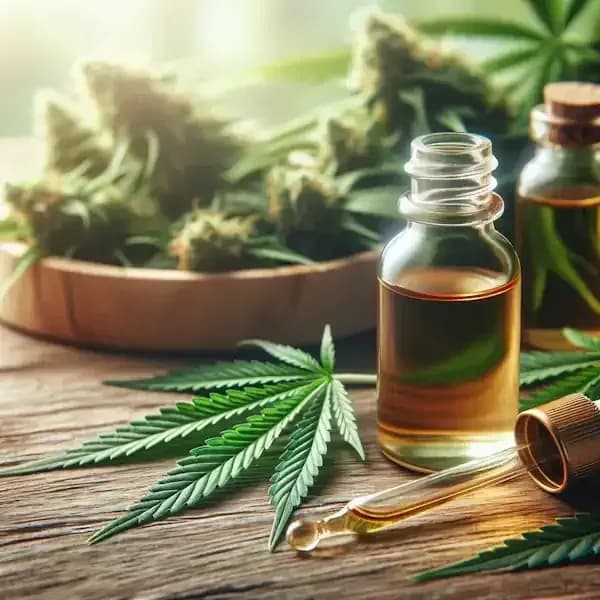
Making a cannabis tincture is a well-known method of preparing plant components
of the cannabis plant in liquid form. Tinctures and oil extracts
differ mainly in their base, such as alcohol or carrier oil.
In this article, you will find out objectively which ingredients are commonly used, which
steps are generally involved and which legal and health-related
notes should be observed in Switzerland.
Making a cannabis tincture – instructions and tips
What is a cannabis tincture?
A cannabis tincture is an alcohol-based extract from the cannabis plant. In this process,
plant components such as cannabinoids and terpenes are dissolved out of the plant material using alcohol.
Tinctures are liquid, easy to dose and are often stored in dark dropper bottles
to protect them from light.
Ingredients and materials for making a cannabis tincture
The following materials are usually used
to make a cannabis tincture:
- High-proof alcohol, for example ethanol
- Dried cannabis flowers or other suitable plant material
- A clean mason jar with a lid
- Coffee filter or fine sieve
- Dark dropper bottles for storage
- Optional: kitchen scale and labels for marking
It is important to work cleanly and to use only materials that are suitable for the
intended purpose.
Step-by-step instructions for making a cannabis tincture
Step 1: Prepare the plant material
Before production, the plant material is prepared. Cannabis is often
decarboxylated beforehand. In this process, the material is gently heated so that certain
plant components can convert into their active form.
This step should be carried out carefully, as temperatures that are too high can impair sensitive
ingredients.
Step 2: Mix cannabis with alcohol
The prepared plant material is placed in a clean jar and completely covered with
alcohol. The jar should be tightly sealed.
The mixture is then stored in a dark, cool place. Occasional
shaking can help to make the extract more even.
Step 3: Observe the steeping time
The steeping time can vary depending on the desired extract. Many instructions recommend
several days to a few weeks. The longer the material steeps, the more intense the
extract can become.
During this time, the mixture should be protected from light, heat and contamination.
Step 4: Filter and bottle
After the steeping time, the liquid is filtered through a coffee filter or a fine sieve.
The plant material is removed, and the finished tincture is filled into clean, dark
dropper bottles.
The bottles should be tightly sealed, labelled and stored in a cool place protected from light.
Using a CBD tincture: how to proceed
Using a CBD tincture is straightforward – what matters is the right method.
Unlike classic CBD oils, which are based on carrier oils, tinctures use high-proof alcohol as the extraction agent. This allows the cannabinoids they contain to dissolve particularly efficiently, and CBD tinctures offer very good bioavailability of the valuable cannabinoids and terpenes.
When using the tincture, place the desired number of drops under your tongue with the pipette and leave them for 60 to 90 seconds before swallowing. The cannabidiol can be absorbed via the oral mucosa. External application is also possible: apply a few drops to the skin and massage in gently.
Follow the information on the product packaging regarding the amount and start with a few drops. Many people like to use the CBD tincture in the evening. As with all CBD products, store CBD oil and tinctures in a cool, dark place and tightly closed so that the ingredients and quality are preserved.
What is CBD tincture used for?
What is a CBD tincture used for? Many users use it as part of their evening routine or appreciate its aroma. Whether CBD can play a role in inner restlessness, stress, difficulty falling asleep, tension or pain is being investigated in studies; there is no reliable evidence so far. Experience reports on external application to dry skin are also subjective. One focus of research is the body's own endocannabinoid system, which is involved in regulating sleep, mood, pain perception and immune response.
Important: CBD is not a medicine and does not replace medical treatment. The effect is individual and depends on dosage, body weight and metabolism. If you have persistent complaints or are taking medication at the same time, talk to your doctor beforehand.
Use and dosage of cannabis tinctures
The use of cannabis tinctures depends heavily on the respective product, its
composition and its intended purpose.
For products intended for ingestion, dosage and use should always follow the
product information. In case of uncertainty, existing illnesses,
pregnancy, breastfeeding or when taking medication, a medical professional should be consulted before
use.
Making cannabis oil – simple instructions for at home
Besides alcohol-based tinctures, there are also cannabis oils. In these,
plant components of the cannabis plant are dissolved in a carrier oil.
MCT oil, olive oil, coconut oil or hemp seed oil are often used as carrier oils. The
difference from a tincture lies mainly in the fact that cannabis oil is not
made on an alcohol base.
What is cannabis oil?
Cannabis oil is an oil-based plant preparation in which components of the cannabis plant
are dissolved in an oil. It differs from alcoholic tinctures in the
base used and the type of processing.
Depending on the starting material and production, the composition can differ
considerably.
Ingredients and materials for making cannabis oil
The following materials are often used for a simple cannabis oil:
- Dried cannabis or suitable plant material
- A carrier oil, for example MCT oil, olive oil or coconut oil
- A clean mason jar
- A pot for a water bath
- A fine sieve or cloth for filtering
- Dark glass bottles for storage
Here, too, working cleanly is important so that the finished oil remains as stable and
hygienic as possible.
Step-by-step instructions for making cannabis oil
Step 1: Prepare the plant material
The plant material is prepared first. As with tinctures, many instructions
decarboxylate the cannabis beforehand. This allows certain ingredients to be
professional.
The temperature should be controlled and not set too high.
Step 2: Heat cannabis with oil
The prepared plant material is mixed with the carrier oil and slowly heated in a
water bath.
The oil should not boil. A low, even temperature over several
hours is often recommended in order to treat sensitive plant substances as gently as
possible.
Step 3: Filter and bottle
After heating, the oil is filtered through a fine sieve or cloth. It is then
filled into clean, dark glass bottles.
The bottles should be tightly sealed, labelled and stored protected from light.
Vapor Spirit CBD and CBD oil since 2015
Using cannabis oil
The use of cannabis oil depends on the respective product, its composition
and its legal status.
For purchased products, the manufacturer's information should always be followed. With
homemade oils, particular caution is required, as the exact
composition and concentration usually cannot be determined reliably.
Vapor Spirit: buy CBD oil since 2015.
Legal notice for Switzerland
In Switzerland, clear legal requirements apply to cannabis products. Products with
a THC content below 1% can be legal under certain conditions, provided that
all other legal requirements are met.
The legal classification can differ depending on the product type, intended use, labelling
and composition. For this reason, before production, possession,
sale or use, the current legal requirements should always be checked.
Important notice
This article is for general information only and does not constitute
medical, legal or therapeutic advice.
Cannabis products are not medicines unless they have been expressly
approved as such. No healing claims are made. In case of health
complaints, existing illnesses, pregnancy, breastfeeding or when taking
medication, a medical professional should always be consulted.
Disclaimer
The content of this article has been prepared carefully and objectively. However, it does not replace
individual advice from professionals. The production and use of cannabis products is at your own risk and must always take place within the
applicable legal requirements.
Categories