Products & Strains
Is CBD Halal Hanafi, or Is CBD Haram?
By Vapor Spirit Fachteam
Find out how different Islamic schools of law assess cannabidiol.
A detailed analysis of the halal compliance of CBD drops.
Is CBD Halal or Haram? – Is CBD Oil Halal?
Products are on everyone's lips – from oils to lotions.
But for many practising Muslims, one crucial question arises:
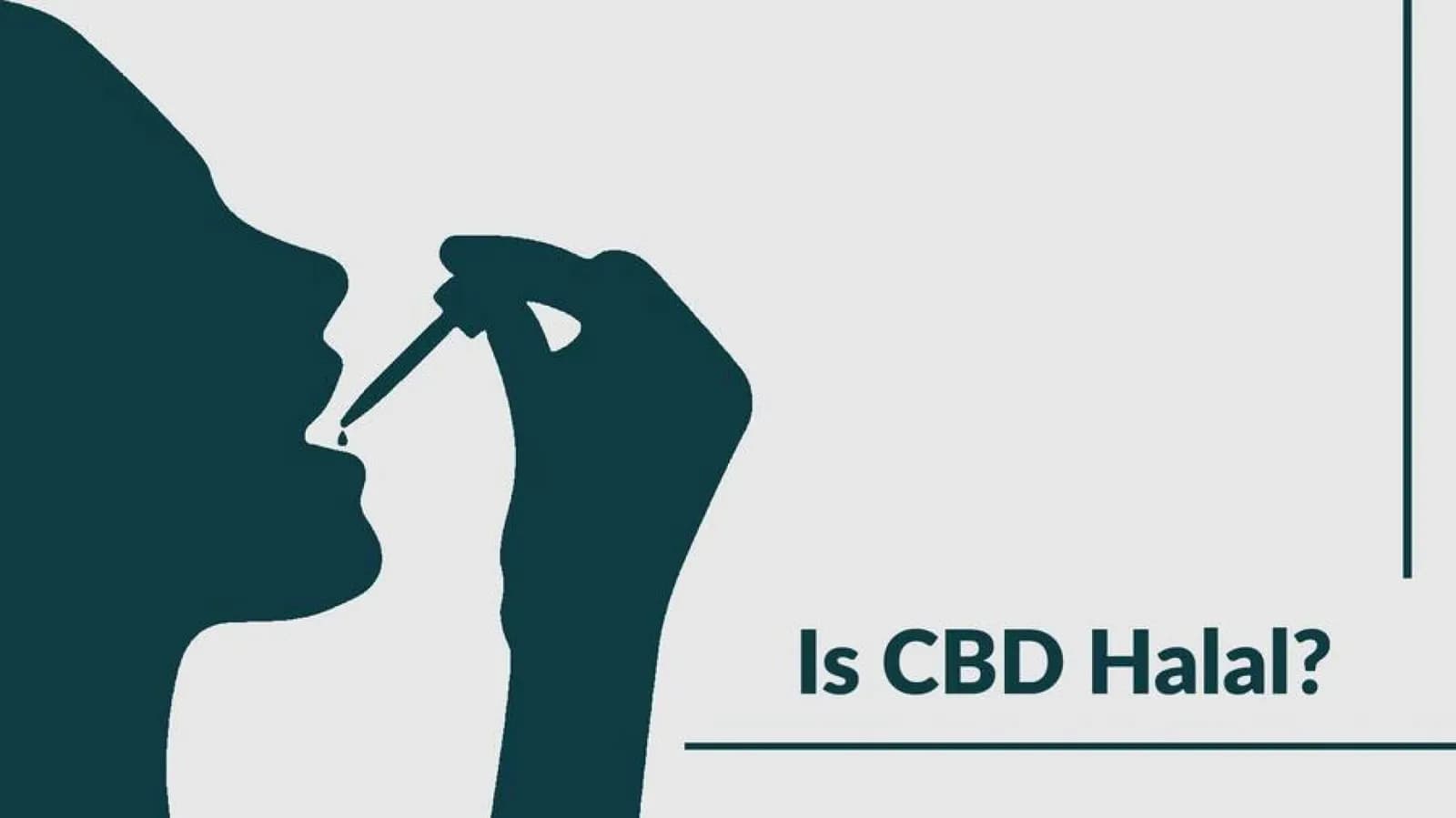
Is CBD halal or haram?
Cannabis and Cannabidiol – A Brief Overview
Cannabis is known as a plant that contains psychoactive substances such as THC.
And this is where it gets sensitive: THC has intoxicating effects, which are clearly considered haram in Islam.
But what about cannabidiol, the non-psychoactive component of the hemp plant?
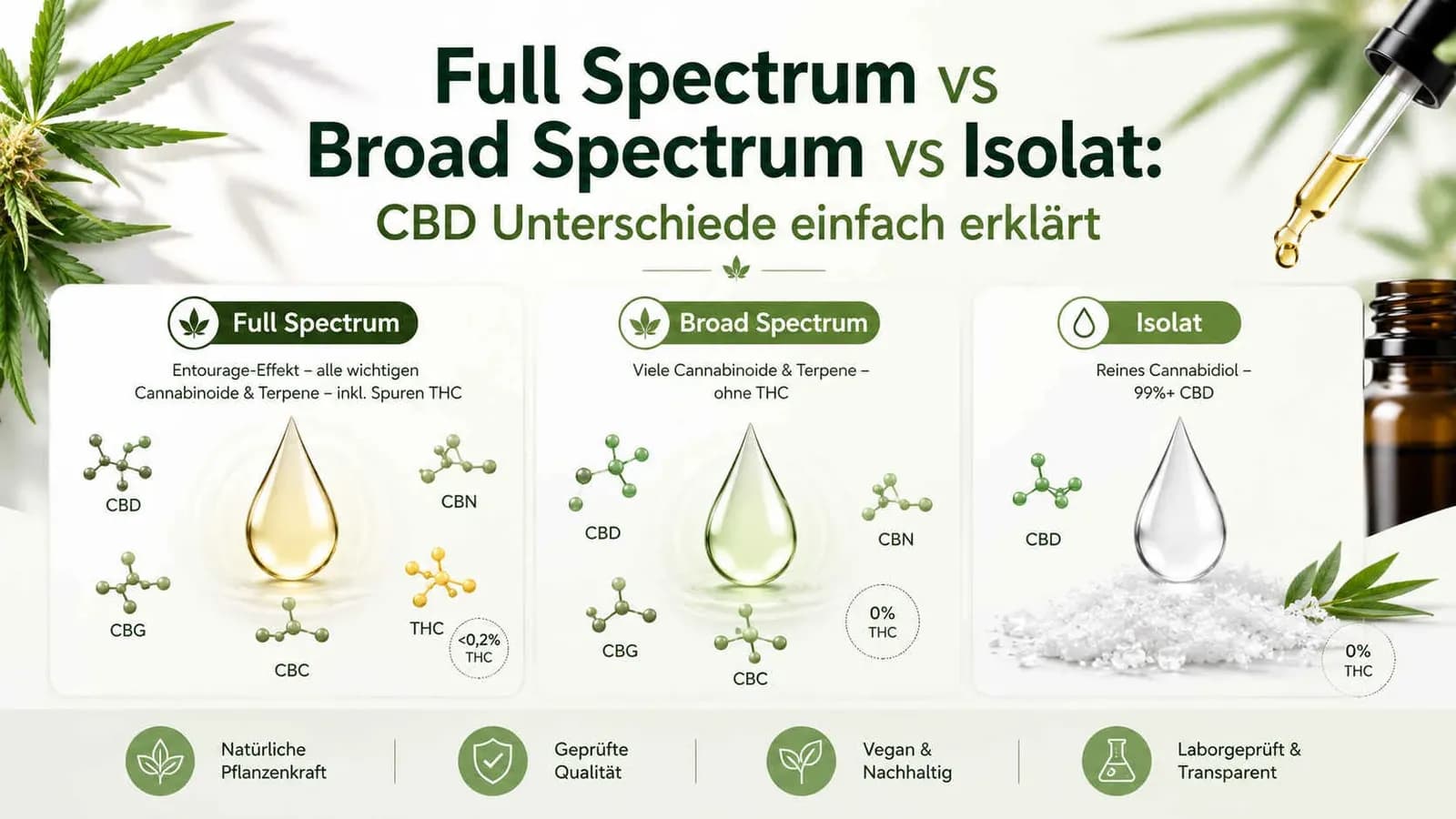
CBD isolate contains no THC at all and has no intoxicating effects. In this case, cannabidiol is
often regarded as halal. However, there are also products with a low THC content or
traces of THC – and this is exactly where it gets tricky.
CBD oil – halal or haram?
Some scholars say:
If the CBD product has no psychoactive effects and the THC content is minimal
(e.g. below 0,2 %), it could be halal. Others hold the view that any amount of THC,
even a small one, makes the product haram.
The Hanafi school is often somewhat stricter in such cases. The rule here is: even a “small amount” of
THC can make the product haram. Other schools of law are more open to the use of
CBD products, as long as they do not cause intoxication.
CBD products in everyday life – halal or haram?
There are now even special halal CBD oils and halal lotions
that advertise with certificates. But be careful: not every product is automatically halal
just because it comes from hemp. It is worth taking a close look – especially
when it comes to the THC content.
Conclusion: Is CBD kosher?
There are similar discussions in the Jewish kosher diet. Pure CBD,
without THC and without psychoactive components, is generally considered kosher.
Whether cannabidiol is halal or haram depends largely on the THC content. Products without
an intoxicating effect are often regarded as halal, but as soon as THC is present,
it becomes complicated. If you want to be on the safe side, choose
isolate or specially certified halal products.
Is CBD cannabis oil halal or haram according to Islam?
CBD oil that is meant to be halal should meet 2 conditions. The organic
cannabidiol oil must not contain any animal ingredients.
For example,
animal oils or fats obtained from animals. Vaporspirit
cannabidiol oils use only plant oils such as sunflower oil and MCT
coconut oils.
We use no pectins and no additives, which makes them
absolutely pure and 100% natural. Even more importantly, our oils contain no
trans-cannabinoids.
Do you know what trans-cannabinoids are?
We explain it on our main page.
CH: Order by 17:30 and receive it the very next day
Is Cannabidiol Halal or Haram? A Comprehensive Guide
In the Muslim community there is often uncertainty about whether certain products
and substances such as cannabidiol (CBD) should be regarded as halal (permitted) or haram (forbidden).
This blog article offers a detailed insight into the debate about
cannabidiol and its compliance with Islamic law.
What is CBD?
Cannabidiol is a chemical compound obtained from the Cannabis sativa plant.
Unlike its well-known relative THC (tetrahydrocannabinol),
which has psychoactive properties, cannabidiol is non-psychoactive. This means
that it does not change a person's state of mind after it is taken.
Cannabidiol is sold in various forms such as oils, capsules, gummies and creams, and
is being scientifically investigated for possible properties.
CBD: halal or haram? What does Islam say?
Cannabidiol and Islamic law
Islamic jurisprudence prohibits substances that have considerable psychoactive effects,
as they are regarded as harmful to mental clarity and well-being.
However, since cannabidiol is non-psychoactive, it does not automatically fall into this category.
Whether cannabidiol is halal or haram depends on several factors, including
the source of the cannabidiol and the way it is used.
Purity and origin
A critical aspect in determining whether cannabidiol is halal concerns the purity of the product.
Products obtained purely from cannabidiol without any admixture of THC
could be regarded as halal, provided the manufacturing process is clean and
free of haram substances. It is essential that Muslims choose products from reputable
suppliers who can guarantee that their cannabidiol is pure and free of
contamination.
Scholarly opinions on cannabidiol
Various Islamic scholars have commented on this topic.
Some consider the use of cannabidiol halal if it clearly serves medical purposes and
is recommended by a doctor. Others are more cautious and stress that more research is needed
to understand the full effects and the ethical implications of using this
substance.
Final thoughts
Whether cannabidiol is halal or haram remains a complex question and depends on individual
beliefs and the specific situation. Muslims who are considering using cannabidiol
should consult a trustworthy religious adviser and choose products
that are specifically certified as halal. As with all health-related decisions, it is
best to be careful and to inform yourself thoroughly before adding new substances
to your routine.
Halal CBD and the Best Kosher CBD
Consultation with scholars and experts
In many cases, Muslims seek the advice of religious scholars to gain clarity about the permissibility
of new products. Scholars who specialise in Islamic law
can often provide information based on the scriptures and the principles of Sharia.
Their opinions may vary depending on how the religious texts are interpreted,
which underlines the importance of a broad consultation.
Is CBD Halal According to the Hanafi School, or Is CBD Haram?
Is CBD Halal or Haram? A Short Guide
People frequently ask "Is CBD haram?", especially those who follow Islamic law.
Since cannabis and its intoxicating compound THC are generally regarded as haram because of
their psychoactive effects (intoxicating effects), many ask whether cannabidiol products
are subject to the same rule.
CBD and THC – The Main Differences
CBD isolate contains no THC and has no intoxicating effect (intoxicating effects),
which can make it a halal product. However, some cannabidiol oils and lotions may contain
a small amount or traces of THC. Even a trace of THC (trace of THC) could be a problem,
depending on the amount of THC and how Islamic scholars interpret it.
The Hanafi Perspective – Is CBD Oil Halal?
In the Hanafi school, debates about whether CBD oil is halal (Hanafi) usually focus on the presence of THC.
A cannabidiol product with any THC content (THC content) at all, even in small traces,
may be regarded as haram.
Halal CBD Choices
To meet demand, halal CBD oil and halal cannabidiol lotion options are appearing. These
aim to remove any intoxicating properties so that they comply with halal standards.
Kosher CBD and More
Interestingly, the debate goes beyond Islam. Cannabidiol kosher products are also increasingly available, so that cannabidiol also complies with Jewish dietary laws.
In the end, whether cannabidiol is halal or haram depends on its purity, its source and whether it
contains THC or has any psychoactive effects.
Is CBD Oil Halal According to the Hanafi School?
Is cannabis haram? This question is asked frequently, especially when it comes to products such as
CBD oil – halal or haram.
Some people wonder: CBD halal or haram or haram or halal?
Especially in the Hanafi CBD tradition, it is examined closely whether products from the hemp plant
contain THC and whether side effects can occur.
Products such as CBD oil often raise the question of whether they are permitted under Islamic law.
Haram applies in many cases to intoxicating substances, but cannabidiol is
obtained from the hemp plant and usually has no psychoactive effect.
Nevertheless, uncertainty remains: are CBD oils halal or haram?
In some interpretations, anything that contains even traces of THC
is regarded as forbidden in Islam.
CBD flower and Products – What You Should Know
are popular for their natural properties. High-quality CBD products are
often characterised by containing little THC.
In particular, 0,2 THC is an important limit in Europe for THC-containing products,
so that they remain legal and safe.
Is smoking weed haram? In Islam, the consumption of cannabis is regarded as haram because it has an intoxicating effect and
impairs the senses. According to Islamic laws, intoxicating substances are forbidden,
similar to a certain amount of alcohol.
Kosher CBD and CBD and religion: in many religions, cannabidiol is considered unproblematic
as long as it does not contain high levels of THC, since it has no intoxicating effect.
CBD gummies, CBD capsules and products from the cannabis plant are generally permitted
if they come from legal CBD extraction.
Health benefits of cannabidiol are frequently discussed but have not been proven,
however, the answer to the question of religious acceptance differs depending on the interpretation.
According to the traditions of the Prophet Muhammad, intoxicants are to be avoided;
however, cannabidiol is often regarded as non-intoxicating.
Medical cannabis is prescribed by doctors, for example in connection with pain relief, and must be
clearly distinguished from over-the-counter CBD products. In the Jewish tradition there are different views,
and some interpretations permit medically prescribed use.
Questions about tumour pain and its treatment always belong
in the hands of a doctor.
Note
This article is intended solely for general information and does not constitute
medical advice. Cannabidiol (CBD) is not a medicinal product. No
healing or health claims are made.
Legal notice (Switzerland)
CBD products are legal in Switzerland provided the THC content is below 1 %.
The content refers exclusively to the legal situation in Switzerland.
Disclaimer
In the event of health complaints, a medical professional should always
be consulted.
Categories