Effects & Health
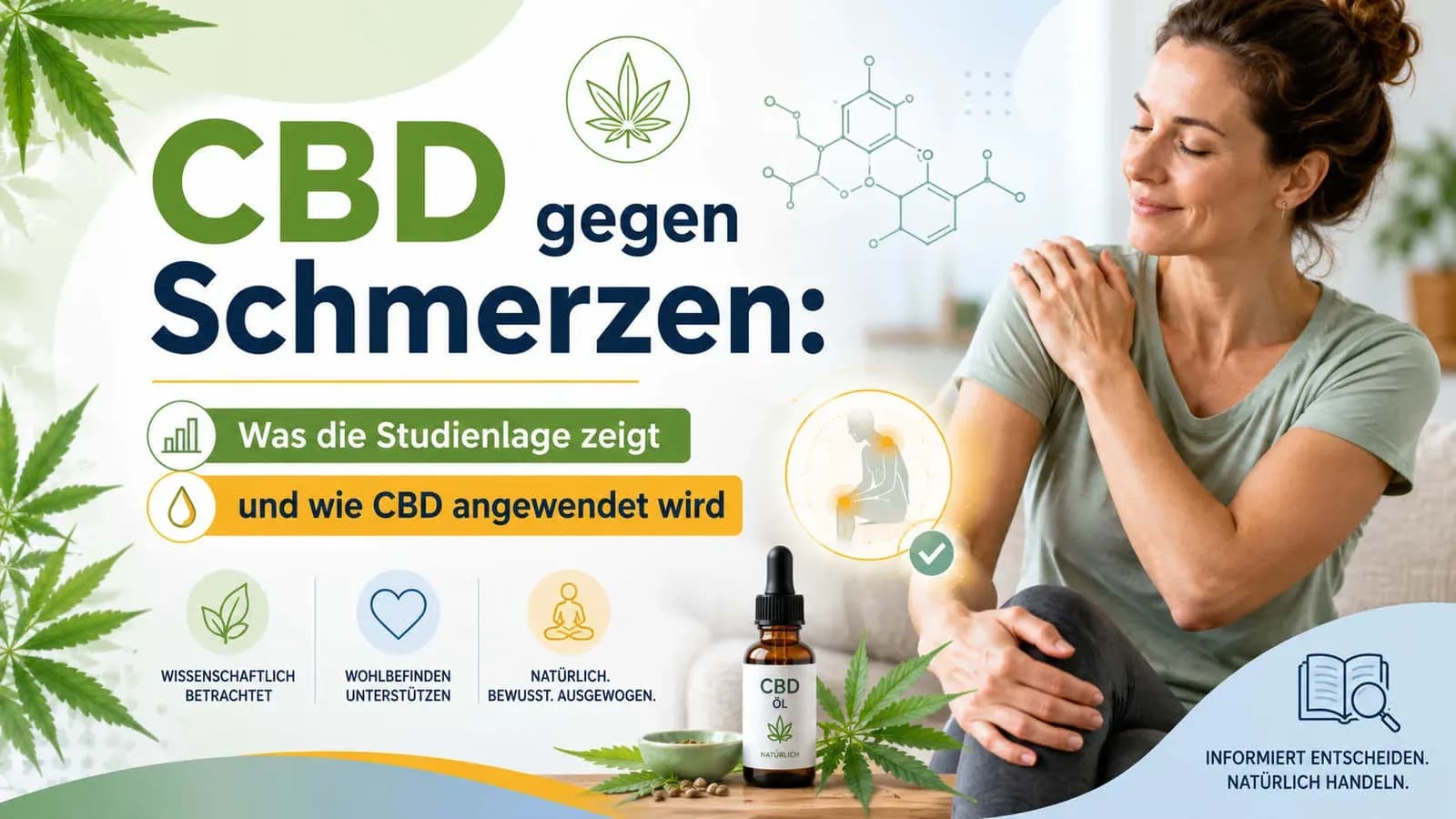
CBD and pain: what research says
By Vapor Spirit Fachteam
More and more people are interested in plant-based products such as CBD. The topic of CBD for pain is increasingly coming into focus. But the question arises:
Does CBD really help with pain – or is it just a trend?
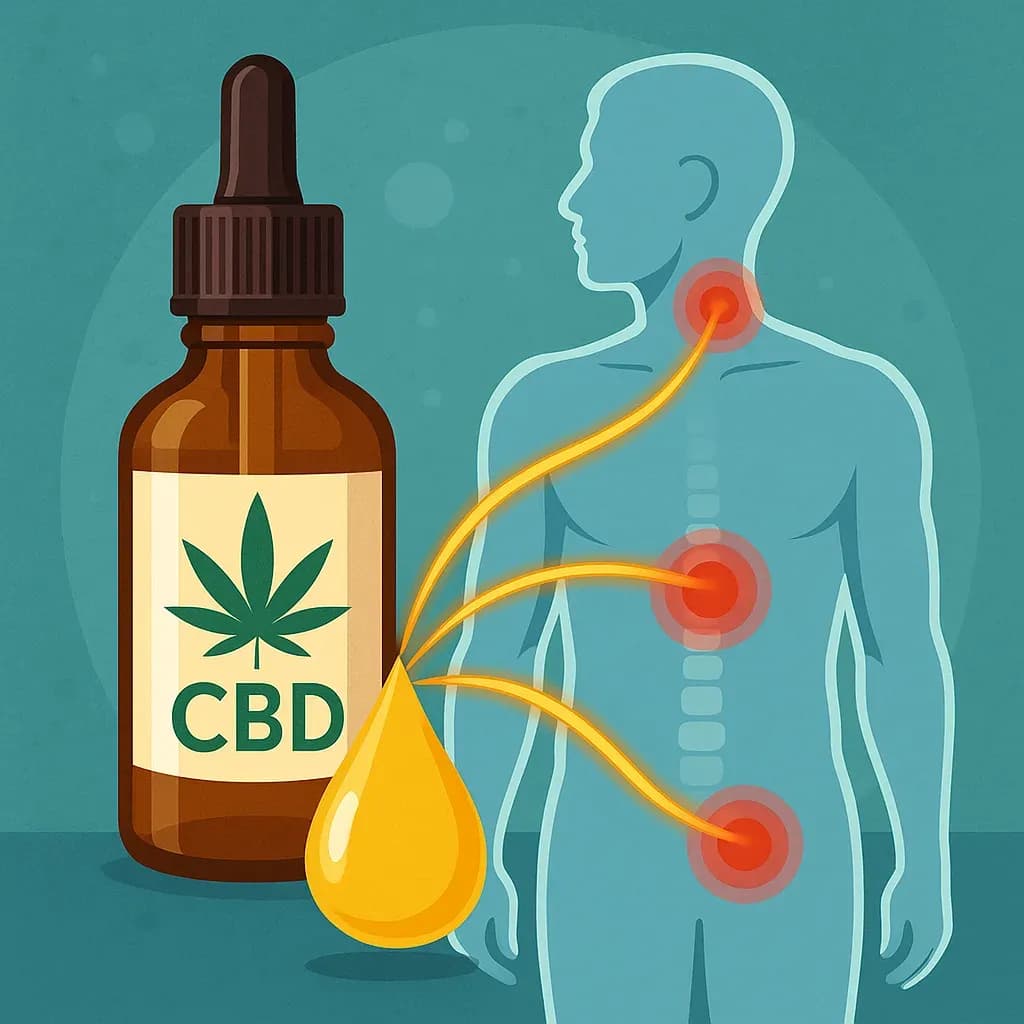
What is CBD, anyway?
CBD is an active compound found in the hemp plant which, unlike THC,
has no intoxicating or psychoactive effects. Instead, CBD interacts with the body’s own endocannabinoid system, which is responsible for important processes such as
responsible for pain perception, mood and relaxation.
CBD and pain: what is being investigated?
Studies are investigating whether cannabidiol for pain could play a role. Among other things, it is being discussed whether CBD:
- influences inflammatory processes,
- interacts with the nervous system,
- modulates pain signals in the body,
- is associated with relaxation.
There is so far no reliable evidence of an effect against pain.
Which products are used?
Particularly popular are CBD oils and full spectrum products, as they contain a wide range
of the cannabinoids that occur in the plant. This combination produces the so-called entourage effect – the active compounds reinforce each other and can thus produce a stronger desired effect.
CBD flower or topical applications such as creams and ointments are also in demand. While flowers are inhaled or used as tea, creams are applied externally to the skin – whether they play a role in joint or muscle pain has not been proven.
What do scientific studies say?
Research is still young, and the results are preliminary:
- Studies are looking at whether CBD could influence inflammation-related pain, for example in arthritis; reliable evidence is lacking.
- Experience reports on chronic pain, migraine or nerve pain are subjective and not proof of efficacy.
- So far, the consensus is: hemp is usually described as well tolerated in studies.
Important: hemp is not a miracle cure and does not replace medical treatment. The effect can vary depending on the person, the product and the dosage.
Conclusion – CBD and pain
The answer is: whether CBD helps with pain has not been scientifically proven. Individual users report positive experiences, but research is still in its infancy. What is clear: cannabidiol for pain is a research topic and not a proven remedy – this also applies to full spectrum products, which combine many substances found in the hemp plant.
If you want to try cannabidiol, look for high-quality organic products that are free of additives and provide a transparent analysis of the CBD content. This is exactly what you will find at Vaporspirit, your expert for Swiss premium quality since 2015.
THC content and the differences between full spectrum, broad spectrum and isolate
The range of CBD products is growing steadily. However, many consumers are unsure which variant is most suitable and what role the THC content plays. Among the different types of CBD, a distinction is usually made between full spectrum hemp oils, broad spectrum CBD oils and isolated cannabidiol. Each of these forms has particular properties that can influence the effect of CBD.
Full spectrum CBD oils – the full spectrum of the plant
In addition to cannabidiol, a full spectrum hemp oil also contains a variety of other plant compounds. These include cannabinoids, terpenes and flavonoids, which together produce the so-called entourage effect. This effect describes the interaction of the active compounds, which can lead to a more intense and more holistic effect.
Particularly important: full spectrum products also contain traces of THC. In Switzerland up to 1 % THC is permitted, while in the EU a maximum limit of 0,2 % applies. These small amounts are not enough to cause an intoxicating effect, but they can have a positive influence on the effect of CBD.
Broad spectrum hemp oils – a broad spectrum without THC
A broad spectrum hemp oil also offers a broad spectrum of valuable ingredients from the hemp plant. It contains several cannabinoids, terpenes and flavonoids, but is completely THC-free.
This makes this variant ideal for people who want to benefit from a natural plant extract without taking in any traces of THC. Broad spectrum oils are particularly popular in countries where THC limits are strictly regulated, or among users who are sensitive to THC.
Isolated CBD – the pure form of cannabidiol
The third category is isolated cannabidiol. Here, only cannabidiol is extracted from the plant and separated from all other substances. The result is a product containing over 99 % pure cannabidiol.
CBD extracts in isolated form are tasteless, versatile and guarantee completely THC-free consumption. However, the entourage effect is missing here, as other accompanying plant compounds such as terpenes or flavonoids are no longer present.
Which cannabidiol products contain which substances?
- Full spectrum cannabidiol oils: contain cannabidiol, other cannabinoids, terpenes, flavonoids and minimal traces of THC.
- Broad spectrum hemp oils: offer a broad spectrum of active compounds but are THC-free.
- Isolated cannabidiol: consists only of pure cannabidiol and is completely free of additional ingredients.
Effect of CBD – what can you expect?
The effect of CBD depends not only on the THC content, but also on the composition of the product:
- Full spectrum products often have a stronger effect, as the whole diversity of the plant is used.
- Broad spectrum products are a good alternative for anyone who wants to do without THC but still experience synergy effects.
- Isolates are particularly suitable for people who are looking only for the pure effect of cannabidiol CBD.
Conclusion
Whether full spectrum hemp oils, broad spectrum hemp oils or isolated hemp – each variant has its advantages. If you want to benefit from the entourage effect, choose full spectrum. If you prefer to stay THC-free, choose broad spectrum. And if you are looking only for pure cannabidiol, choose an isolate.
It is always important to pay attention to quality: high-quality hemp extracts are free of artificial additives, provide transparent information on the THC content and give a clear overview of the ingredients.
This is how you find the right product that best meets your needs and can deliver the desired effect of CBD. Unlike pure CBD, products with various cannabinoids often have a stronger effect thanks to the so-called entourage effect
Note
This article is intended solely for general information and does not constitute
medical advice. Cannabidiol (CBD) is not a medicinal product. No
healing or health claims are made.
Legal notice (Switzerland)
CBD products are legal in Switzerland provided the THC content is below 1 %.
The content refers exclusively to the legal situation in Switzerland.
Disclaimer
In the event of health complaints, a medical professional should always
be consulted.
Categories