Products & Strains
CBD and heel spurs – CBD, plantar fasciitis and heel pain: what is known
By Vapor Spirit Fachteam
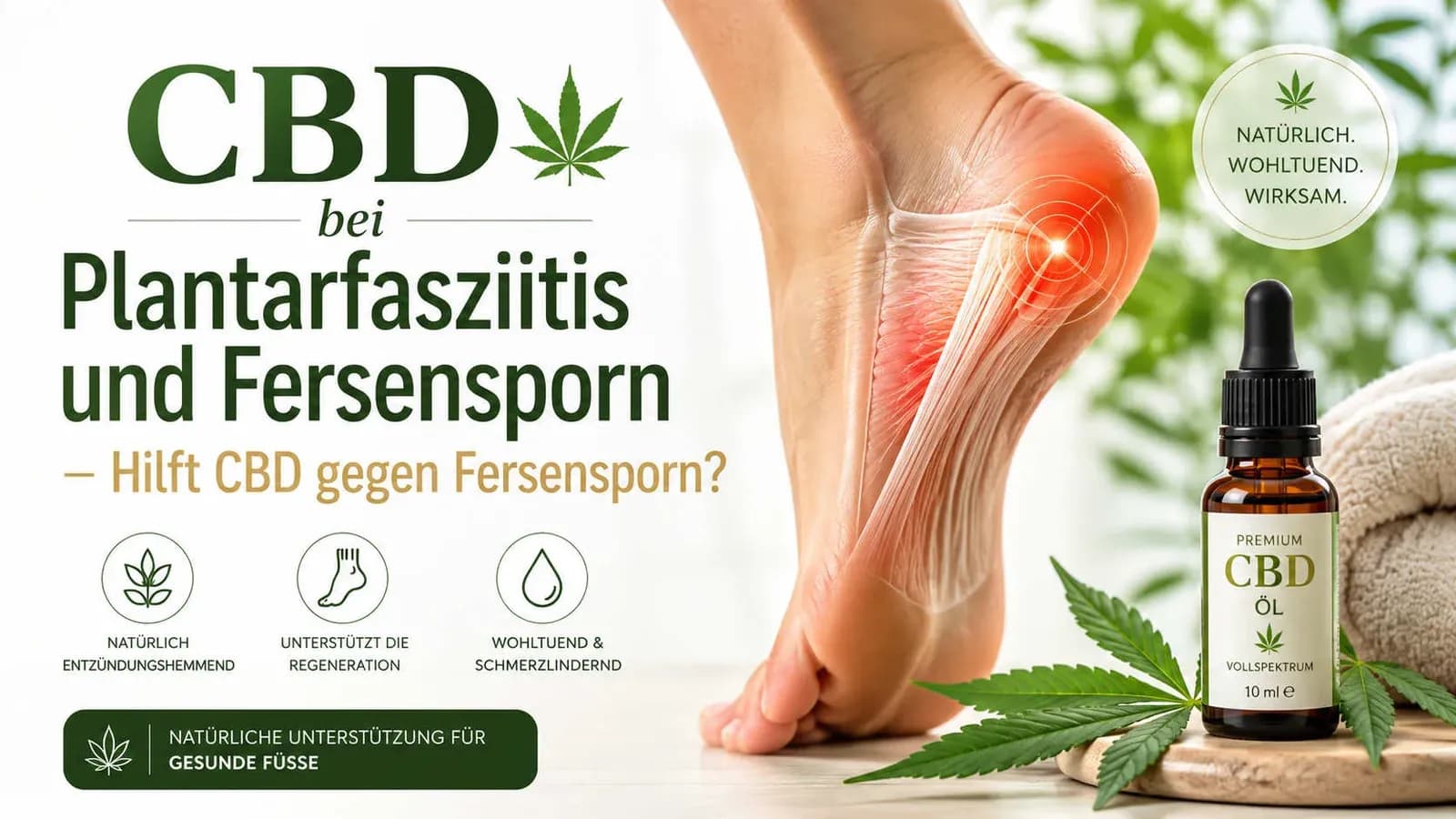
A heel spur is a thorn-like bony outgrowth on the heel bone caused by overloading of the tendon attachments – the pain usually comes from the accompanying plantar fasciitis, an inflammation of the plantar fascia. Treatment includes insoles, stretching exercises, shock wave therapy and home remedies. Whether CBD oil can play a role in heel spurs and plantar fasciitis is not scientifically proven.
Stabbing pain with the first steps in the morning – anyone with a heel spur or plantar fasciitis knows this foot pain. In this article, you will learn what a heel spur is, how it develops, what helps against heel spurs – and what role CBD plays for heel spurs, plantar fasciitis and foot pain in the everyday lives of many people affected.
More information on CBD tincture
What is a heel spur?
A heel spur (calcaneal spur) is a bony, thorn-shaped growth on the heel bone. It forms at the attachment of the plantar fascia (lower heel spur) or the Achilles tendon (upper heel spur). So what is a heel spur at its core? A calcium deposit at the tendon attachment. The spur itself is often painless – the typical pain experienced by people with heel spurs is caused by the accompanying inflammatory reaction of the surrounding tissue, usually plantar fasciitis.
What does a heel spur look like? On an X-ray, it appears as a pointed projection a few millimetres long on the heel. It is usually not visible from the outside.
Heel spur and plantar fasciitis – what is the difference?
Heel spurs and plantar fasciitis are often confused, but they are closely related: plantar fasciitis is the inflammation of the plantar fascia (the large tendon plate under the sole of the foot) – and the actual cause of the typical heel pain. The heel spur is the bony consequence of this chronic irritation. Many people have plantar fasciitis without a visible spur, and vice versa a spur without pain. Treatment and self-care are largely identical for both – which is why all the tips in this article also apply to plantar fasciitis.
How does a heel spur develop?
How does a heel spur develop? A heel spur develops as a result of permanent overloading of the tendon attachment on the heel bone. Micro-injuries lead to irritation, and the body responds by depositing calcium – the spur grows over months to years. So where exactly does a heel spur come from? Usually several factors work together.
Where does a heel spur come from?
Common causes – where a heel spur comes from:
Cause | Explanation |
Excess weight | Increased continuous load on the heel |
Jobs that involve standing | Standing for long periods on hard floors |
Unsuitable footwear | Lack of cushioning, high heels |
Foot misalignments | Flat feet, splayed feet or high arches |
Overloading during sport | Running without gradual build-up, hard surfaces |
Age | Decreasing elasticity of the fat pad |
How long does a heel spur last?
With consistent treatment, the symptoms usually subside within 6 to 12 months. The bony spur often remains, but then no longer causes pain.
What helps against heel spurs? Treatment at a glance
What can you do about heel spurs and what helps with heel spurs? Anyone who wants to treat a heel spur almost always opts for conservative heel spur treatment – surgery is only rarely necessary. What to do for a heel spur:
Heel spur insoles
Special insoles – heel spur cushions or models with a hole – relieve the painful spot and cushion every step. Orthopaedic insoles for heel spurs are considered the basis of any therapy and at the same time correct foot misalignments.
Heel spur exercises
Stretching exercises for the plantar fascia and calf muscles are among the most effective measures:
- Calf stretch against the wall – 3 × 30 seconds per side
- Roll the sole of your foot over a fascia roller or a ball – 2–3 minutes
- Picking up a towel with your toes – strengthens the foot muscles
- Stretch the plantar fascia – pull your toes towards your shin, hold for 30 seconds
Taping a heel spur
Kinesio tapes can relieve the plantar fascia and support the arch of the foot. Taping is often used in addition to insoles and exercises.
Home remedies for heel spurs
Popular home remedies for heel spurs are cooling quark wraps, foot baths, apple cider vinegar compresses and gentle massages of the sole of the foot. They do not replace therapy, but can be perceived as pleasant.
Other therapy options
What helps quickly with heel spurs? For severe symptoms, heel spur therapy includes shock wave therapy, physiotherapy or anti-inflammatory medication. Talk to your doctor about this.
CBD, heel spurs and plantar fasciitis – what is known
More and more people are looking for CBD for heel spurs. Does CBD help with heel spurs? CBD (cannabidiol) is not a remedy for heel spurs or plantar fasciitis and does not replace medical treatment. Whether CBD can play a role in these complaints is being investigated in studies; there is no reliable evidence so far.
Cannabidiol CBD interacts with the body’s own endocannabinoid system (ECS), which is involved in regulating well-being, sleep and balance. CBD is not psychoactive and is legally available in Switzerland with less than 1 % THC.
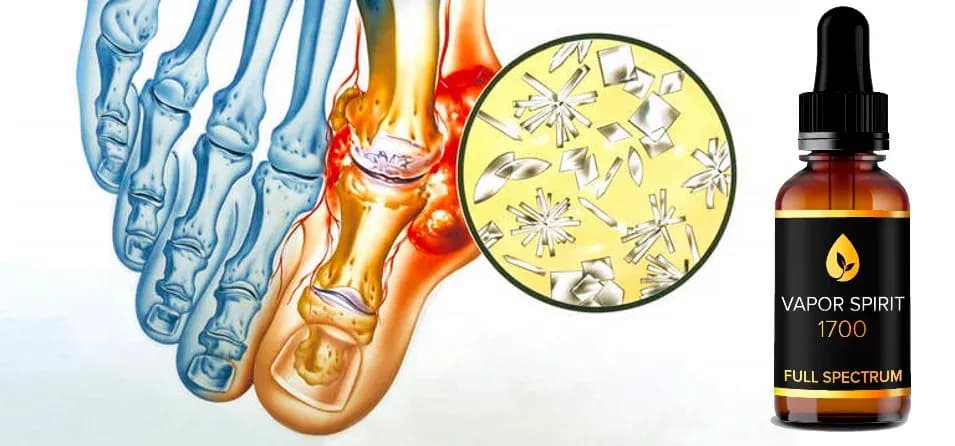
CBD oil for heel spurs – oral intake and external application
CBD oil is the most popular product form. Anyone who wants to use CBD products is usually familiar with two methods of application:
- Oral intake: according to the manufacturer's instructions.
- Topical: gently massage CBD cosmetics into the heel area as care – for example as part of a foot massage.
Vapor Spirit CBD oil is Bio Suisse and Demeter certified, free from artificial additives and made in Switzerland.
CBD liquid for heel spurs – vaporising as an alternative
CBD liquid (for vaporizers or e-cigarettes – sometimes also written as «CBD Liquidi Fersensporn» in search queries) is also used by some users. When vaporised, CBD enters the body quickly. If you do not want to inhale, CBD oil or external applications are a better choice – the choice is a matter of taste.
CBD and plantar fasciitis – caring for the stressed sole of the foot
Since plantar fasciitis is the actual source of pain with heel spurs, the same applies here: an effect of CBD has not been proven. Some combine their daily stretching exercises with an evening foot massage using CBD care products – as a care ritual for the stressed sole of the foot.
CBD and foot pain in general
Not only with heel spurs: many people are also interested in CBD for general foot pain – for example after standing for long periods, sport or wearing tight shoes. An effect against pain has not been proven; some describe an evening foot massage with CBD care products as a pleasant care ritual for tired, stressed feet. However, persistent or unclear foot pain should always be examined by a doctor.
Heel spurs in Switzerland – figures and context
Heel pain is one of the most common orthopaedic complaints: according to estimates, about every tenth person develops a heel spur in the course of their life, especially between the ages of 40 and 60. Women are affected somewhat more often than men. The good news: in over 90 % of those affected, the symptoms improve without surgery.
CBD oil test winner Switzerland
Frequently asked questions about CBD and heel spurs (FAQ)
What is a heel spur?
A heel spur is a bony growth on the heel bone that develops as a result of chronic overloading of the tendon attachments. The pain usually comes from the accompanying inflammation of the plantar fascia.
What helps quickly with heel spurs?
In the short term, heel cushions, cooling, rest and suitable shoes provide relief. In the long term, insoles, stretching exercises and – if necessary – shock wave therapy help.
Does CBD help with heel spurs?
CBD is not a recognised remedy for heel spurs. An effect has not been scientifically proven; the focus is on insoles, stretching exercises and a medical examination.
How do I use CBD oil for heel spurs?
If you are looking for CBD as a heel spur oil, you should know: an effect has not been proven. For external care there is CBD cream; CBD drops are used according to the manufacturer's instructions.
Can I also use CBD for plantar fasciitis?
The same applies to plantar fasciitis as to heel spurs: an effect of CBD has not been proven, and CBD does not replace therapy. The focus is on stretching exercises, insoles and a medical examination.
What can you do about heel spurs?
What you can do about heel spurs: wear insoles, stretch daily, choose suitable shoes, use tape and relieve the heel. In addition, some of those affected use home remedies or CBD oil as a feel-good ritual.
Which shoes for heel spurs?
Shoes with good cushioning, a stable footbed and a soft heel. It is better to avoid high heels and hard, flat soles. Insoles can be integrated into almost any shoe.
How long does a heel spur last?
With consistent treatment, the symptoms usually improve within 6 to 12 months. The spur itself often remains without causing further pain.
Is CBD legal in Switzerland?
Yes. CBD products with less than 1 % THC are legal in Switzerland and freely available for sale.
Vapor Spirit CBD is Bio Suisse and Demeter certified – buy CBD drops since 2015.
Conclusion
A heel spur requires patience – but with insoles, regular exercises and the right self-care, the complaints can be brought under control in most cases. If you are interested in CBD products: at Vapor Spirit you will find Bio Suisse and Demeter certified CBD oil from Switzerland – valued by over 40'000 customers.
Note: This article is for general information only and does not replace medical advice. If you have persistent heel pain, consult a doctor.
Categories